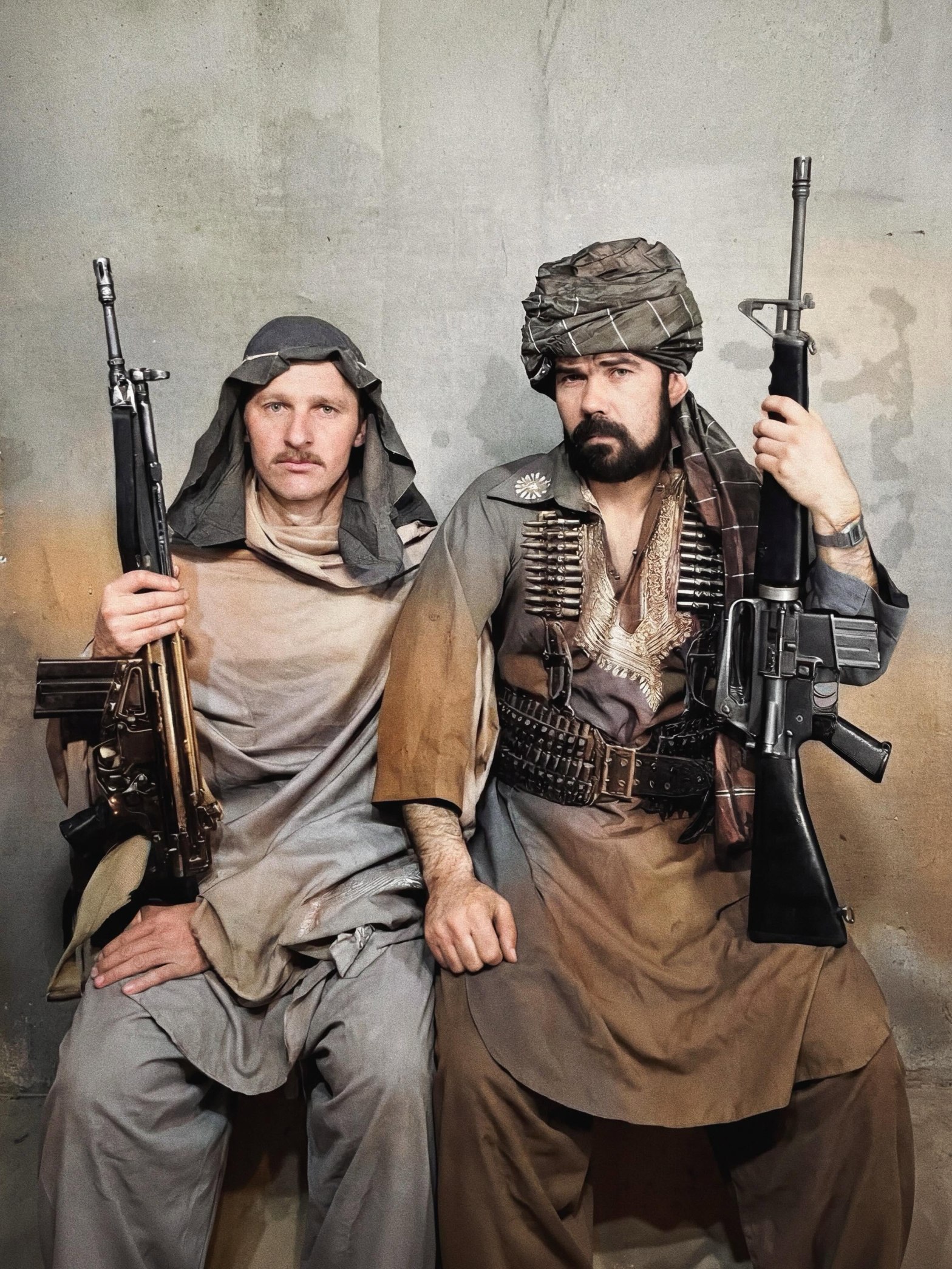
The Western rifles came from the CIA. Through Operation Cyclone, Washington funneled billions of dollars of weapons to the Afghan Mujahideen through Pakistan: everything from M16 rifles to Stinger missiles to anti-tank mines. In 1984, the Soviets launched Operation Curtain to seal the Pakistani-Afghan border and cut off that pipeline. The mission fell to Spetsnaz GRU teams that inserted by helicopter, ambushed weapons caravans in the mountain passes, and dragged the cargo back to base. Officially they were there to destroy what they captured. In practice, they kept the interesting pieces.
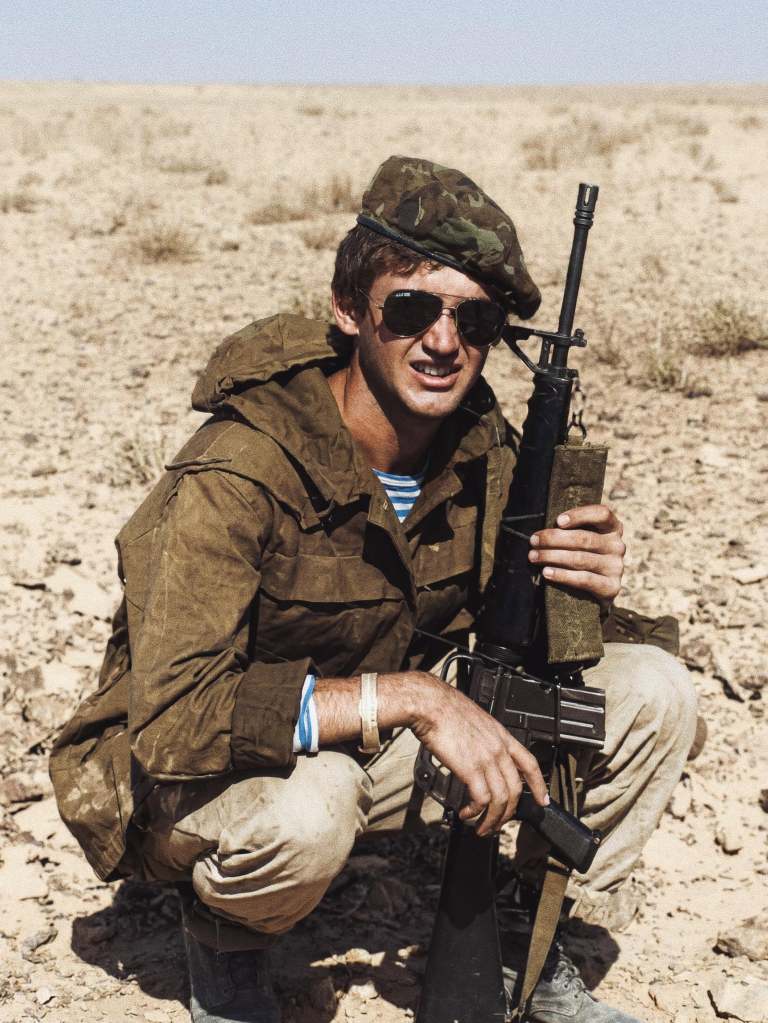
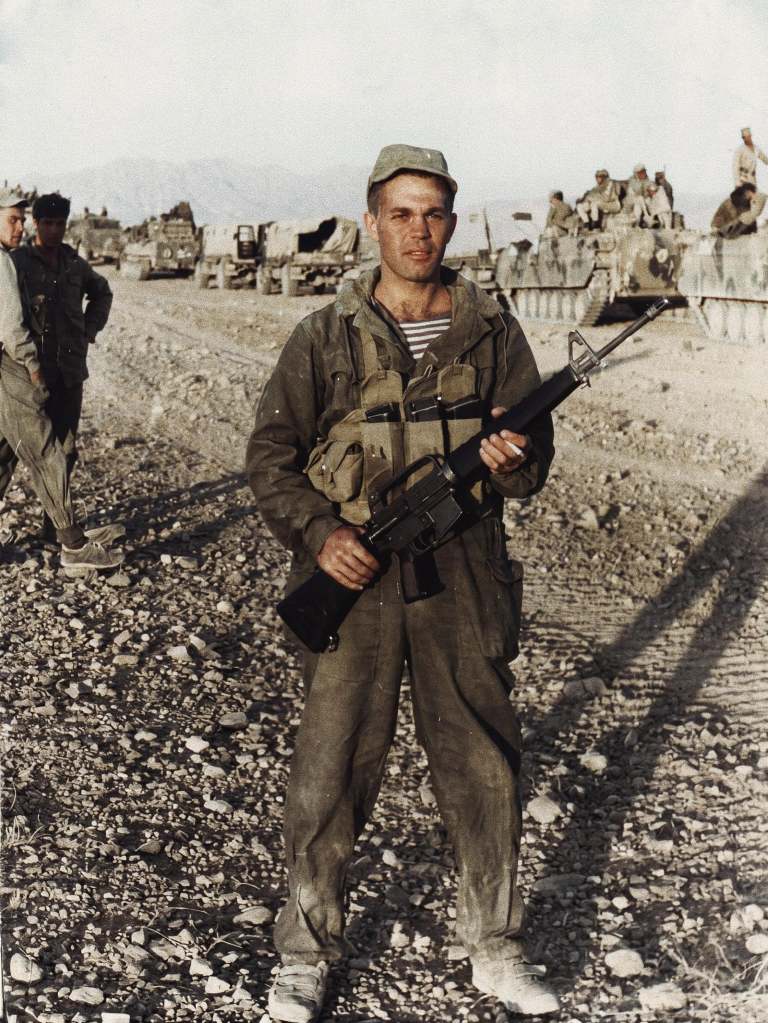
Among them, the M16 was the most valuable trophy, and the most practical. A common Spetsnaz tactic in remote valleys was to dress and arm themselves as Mujahideen so they could close the distance before opening fire. An AK in the hands of a man in Afghan robes might still draw a second glance. An M16 didn’t. The disguise sometimes bought the seconds that decided the firefight.
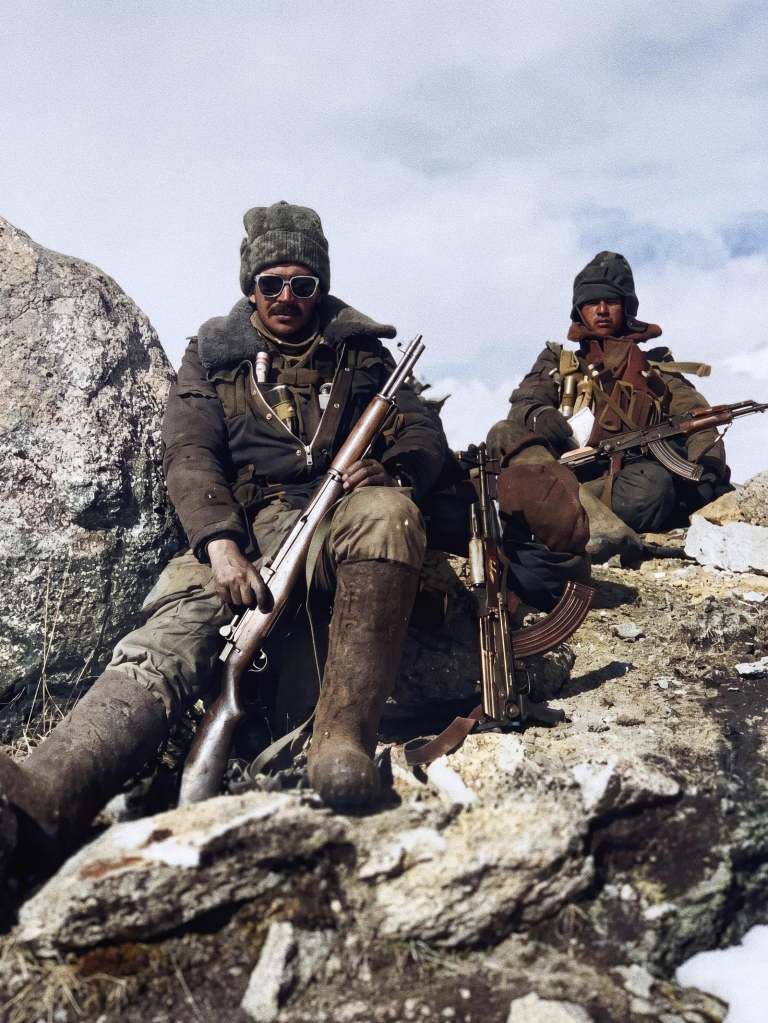
In March 1986, the single biggest haul came at the Battle of Karera, where the 334th Spetsnaz Battalion raided a major rebel stronghold near the Pakistani border and walked out with the largest single stockpile of American rifles captured in the entire war. Officers wrote home about them and posed with them for the camera. In 1987, a Soviet reconnaissance captain even borrowed an American field jacket and M16 from a Mujahideen commander during ceasefire talks, just to get the souvenir shot.
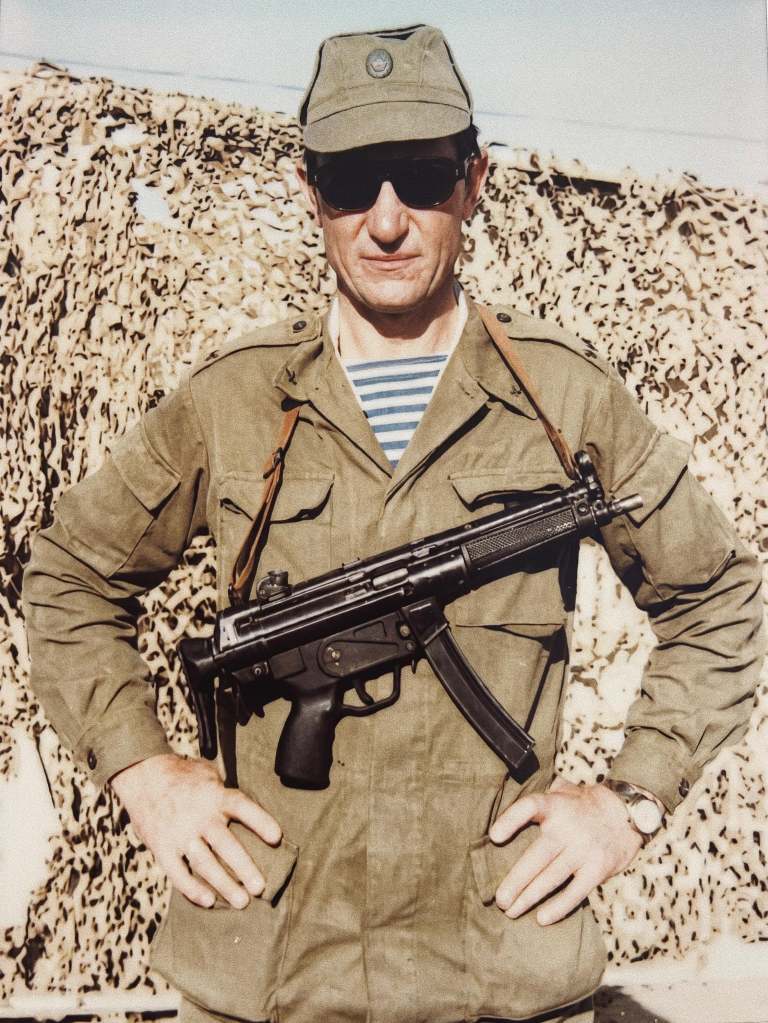
After the Soviet withdrawal in 1989, most of those captured rifles disappeared back into the black markets that had fed the war in the first place. The photos stayed behind: Soviet troopers grinning over American rifles, in a war that would teach every superpower the same lesson eventually.


The first rule of warfare is “Never march on Moscow”.
The second rule of warfare is “Never invade Afghanistan”.
I truly, truly hope that US and other western governments have given up on the idea of importing Western civilisation to shitholes like Afghanistan and Iraq.Those people have been fucking their cousins and their goats since the dawn of time. They lie, cheat, steal, beat their women, fuck their little boys (and goats) and are generally disgusting subhumans. And they like it that way. They’re not prone to civilisation. Terrible things happen there, and so be it. It’s not our business.
If they cause trouble with terrorist training camps or whatever, just bomb the camps, send in the pipe hitters to bayonet the survivors, and repeat until they get the picture. They only understand force.
LikeLike